
Programs & initiatives
Locally led programs whose methods are built to travel
Every initiative begins with a community's own account of its challenge and ends with a record other communities can use. Program details below include thoughtful placeholder content where source material is still being gathered.
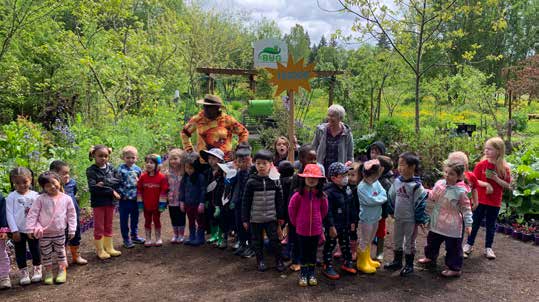
Educator network
Commons Classrooms
Open curriculum written by the educators who teach it.
Teachers and community educators co-design lessons on culture, ecology, and civic trust, test them locally, and publish facilitator guides for the network. Materials are translated by the councils that request them.
- —Facilitator guides and lesson sequences
- —Peer review by educators in three regions
- —Translation queue managed inside the portal
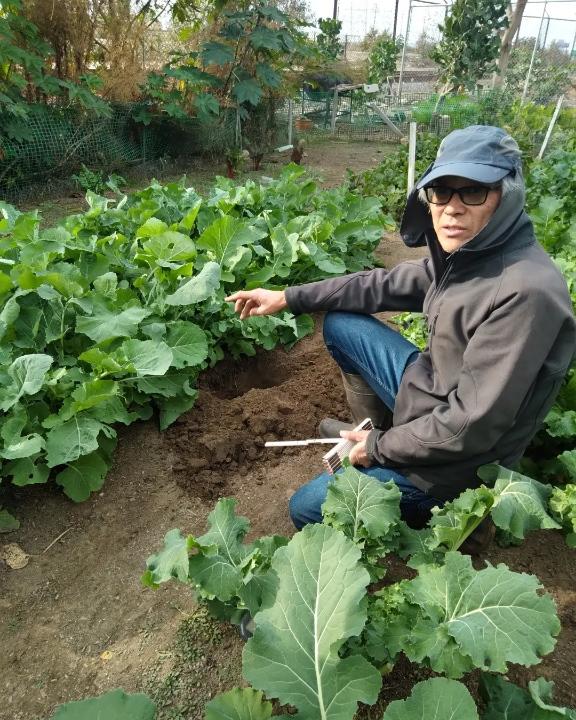
Land & water
Local Stewardship Labs
Neighborhood-scale ecological work, documented for reuse.
Community gardens, watershed care, waste reduction, and food resilience projects run by local teams. Each lab keeps a plain-language method log so another community can judge fit and adapt quickly.
- —Method logs with costs and timelines
- —Baseline and follow-up measurement support
- —Cross-council site visits and mentoring
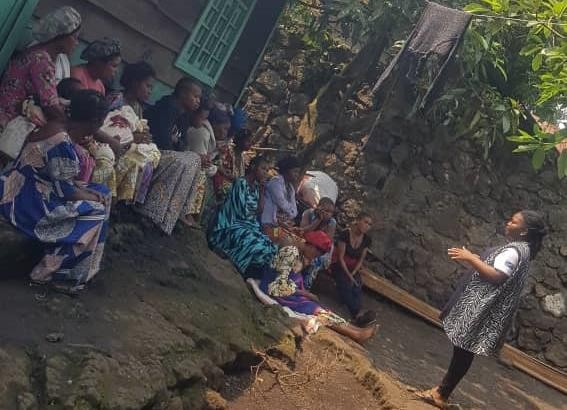
Heritage & arts
Living Culture Exchange
Traditions carried forward as livelihoods, not exhibits.
Artisans, musicians, and storytellers work with youth apprentices to keep practice alive, while cooperative models help the work sustain families. Recordings and oral histories are archived with community consent.
- —Youth apprenticeships with master practitioners
- —Consent-first archiving of oral histories
- —Cooperative market and livelihood support
Ways to collaborate
The commons runs on collaboration, not delivery
University collaborations
Project-based learning, internships, and applied research placements that give students real fieldwork while councils gain capacity.
Council-to-council exchange
Structured visits and virtual working groups where a team that solved a problem walks another team through it.
Volunteer & expert corps
Short, scoped contributions — translation, design, data, legal, facilitation — matched to a council's stated need.