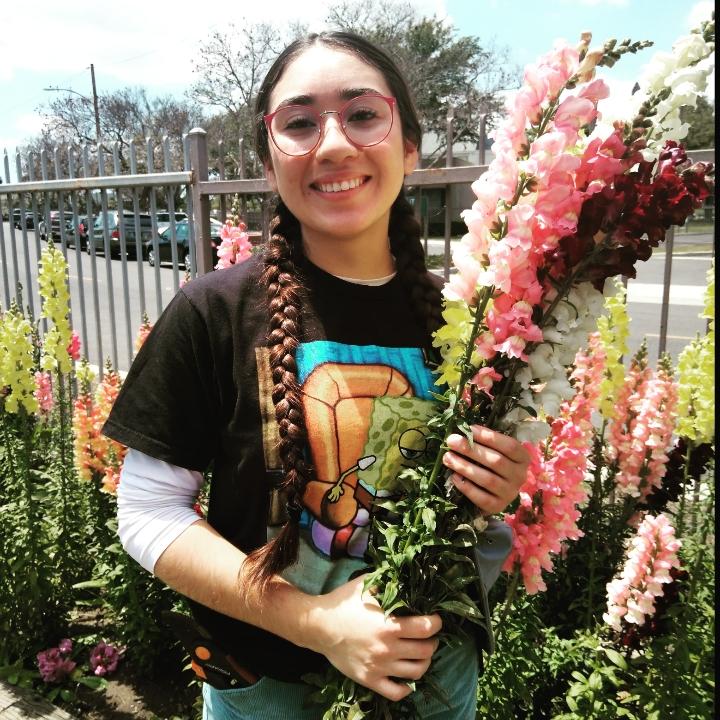
West Africa
A savings model that crossed three borders
A market cooperative's rotating savings practice was documented in plain language, translated, and adopted by four other councils within a year.
Impact & stories
We measure two things: whether a community's own goal was met, and whether the record of that work was useful to someone else. Figures and stories below are illustrative placeholders pending verified reporting.
28
Community councils engaged
14
Countries represented
160+
Educators sharing practice
37
Models adapted across borders
Field stories
West Africa
A market cooperative's rotating savings practice was documented in plain language, translated, and adopted by four other councils within a year.
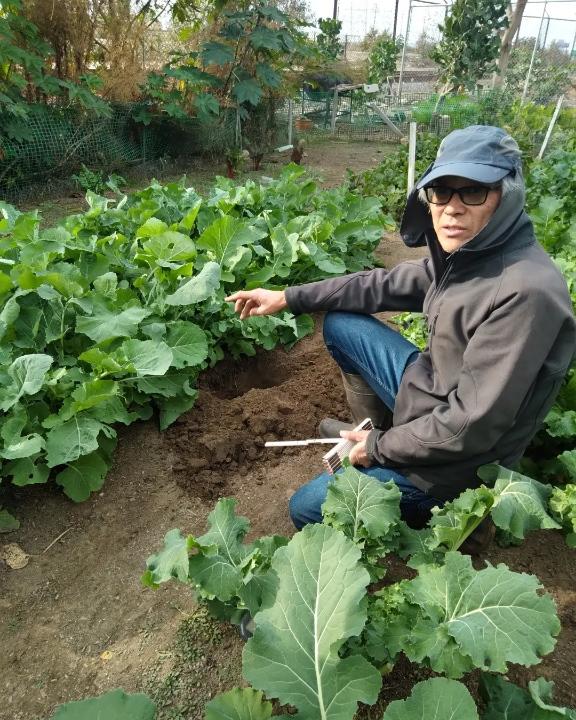
Southeast Asia
Neighbors mapped water flow street by street, then published the method log that two upstream communities now use.
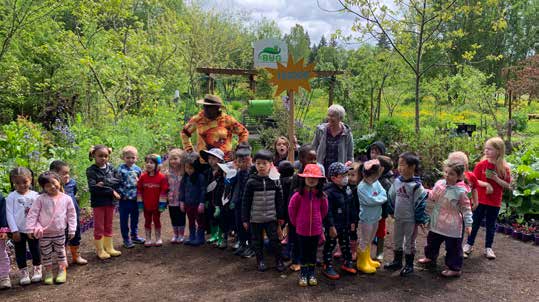
Andes region
Eleven educators co-authored a heritage and ecology unit now taught in classrooms on two continents.
How we measure
Each council names the change it wants before work begins, and reports against that.
We count how often a documented model is picked up elsewhere — and what had to change.
Approaches that did not work are recorded too. They are often the most useful entries.
Data entered by councils flows into templates funders can review without extra burden.
Your gift supports locally led work and the shared documentation that lets it reach far beyond one community.